Openness is a Leadership Practice
We often categorize individuals as either open-minded or closed-minded, suggesting that openness is a fixed trait. However, openness is more contextual than we realize.
We may embrace new foods, ideas, or experiences, yet still resist perspectives that challenge our identity, expertise, habits, authority, or sense of being right. This highlights that openness is not merely an inherent quality of leaders; it is a skill that requires intentional development.
Let’s address a few common myths about openness:
Myth 1: "Open individuals are always open in every situation."
In reality, openness is contextual. We may be receptive to new ideas while resisting those that threaten our established identities or beliefs.
Myth 2: "Openness equates to agreeing with everyone."
Honestly, true openness involves a willingness to understand and reconsider without sacrificing discernment, boundaries, or accountability.
Myth 3: "Openness is an all-or-nothing trait."
Yet, while it may start as a disposition, leaders can cultivate behaviors that enhance their openness.
To practice openness, reflect on moments when you feel yourself closing off. Ask yourself:
What feels threatened?
What assumption am I protecting?
What possibilities might arise if I remained open a bit longer?
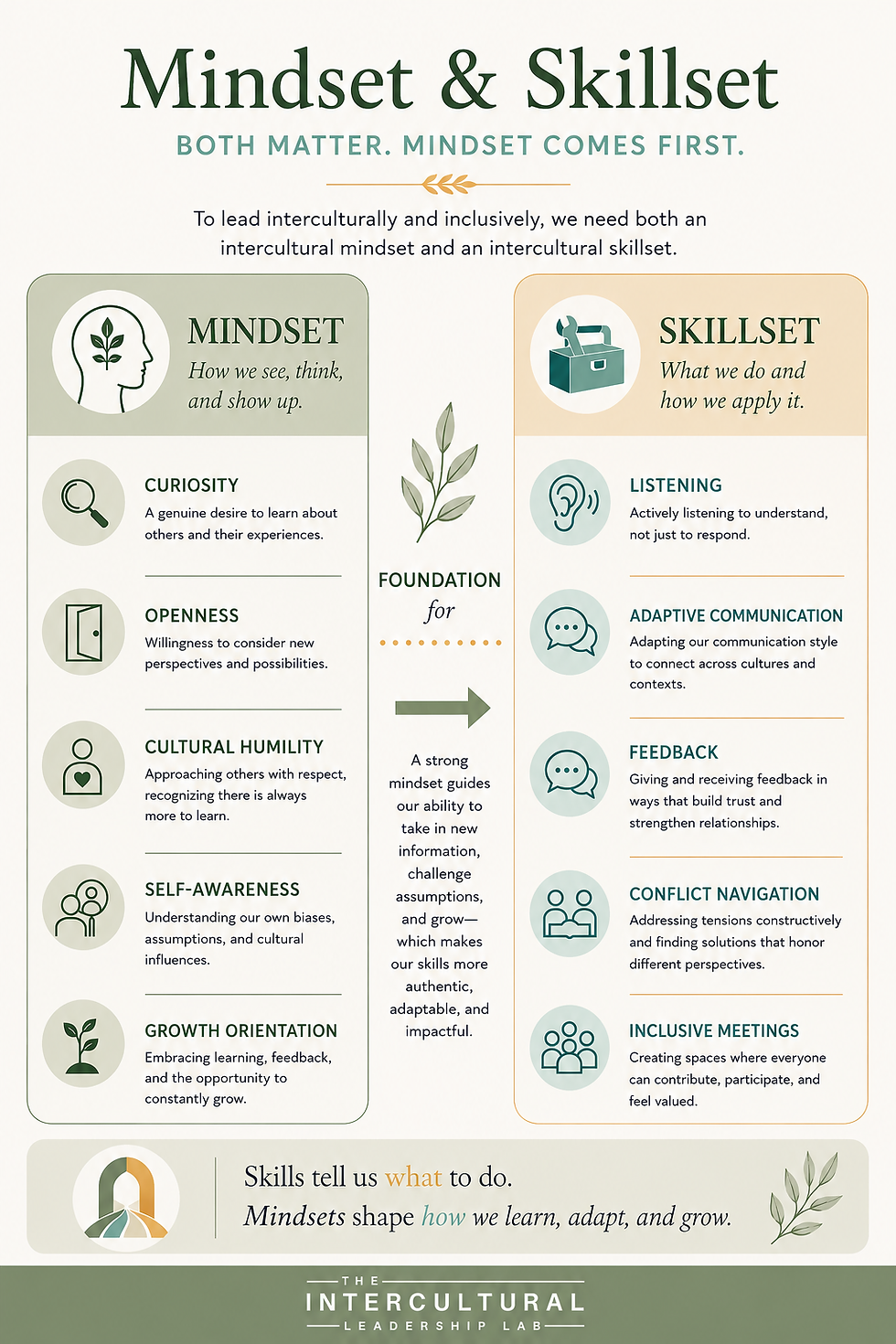
Curiosity and openness are interconnected but demand different responses:
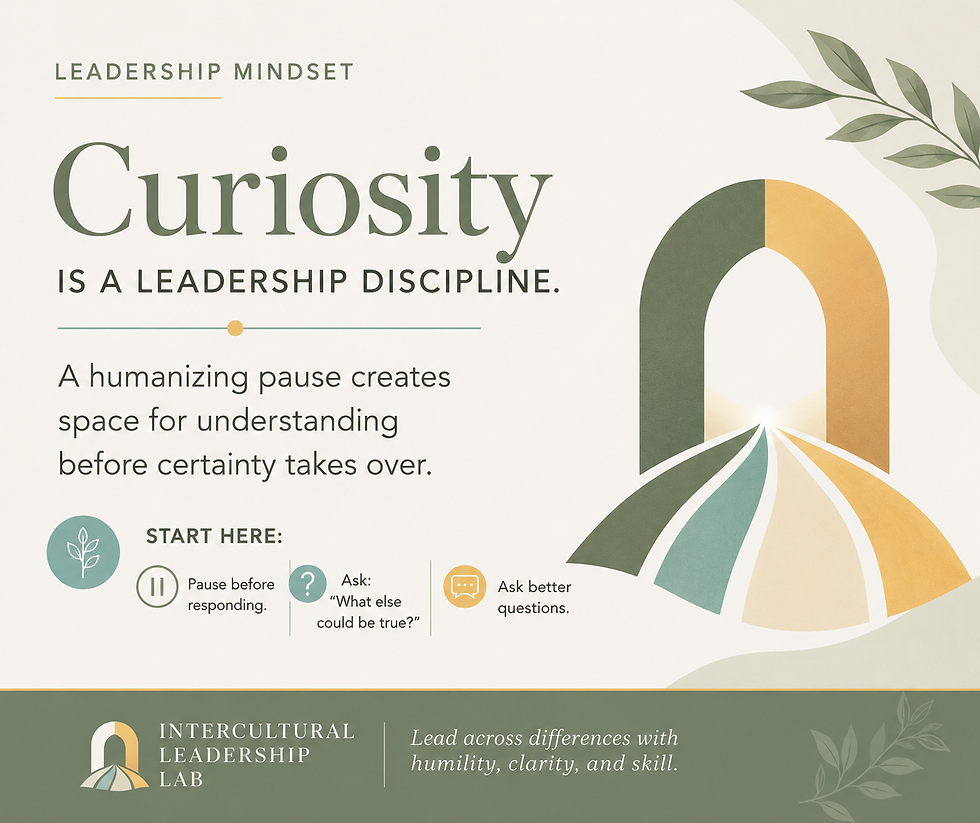
Curiosity prompts us to ask, "What else could be true?"
Openness challenges us with, "Am I willing to let what I learn change me?"
Reflection Question: Where do you find it most challenging to maintain openness as a leader?


Comments